
Blog
H. pylori Coccoid Shape Transformation

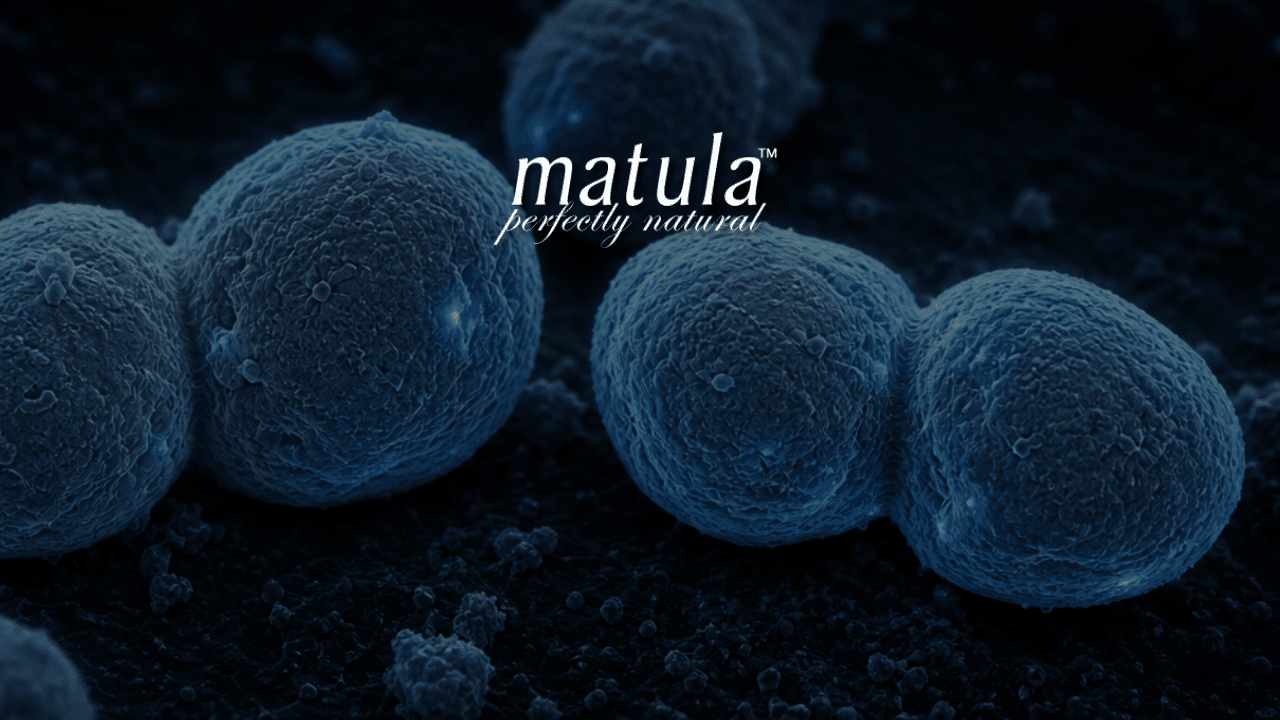
Most people picture H. pylori the same way, as a tiny corkscrew shaped bacteria that burrows into your stomach lining and causes all kinds of trouble. And that picture is accurate. That spiral shape is exactly what lets H. pylori drill through the thick mucus layer protecting your stomach and set up camp against the wall underneath, where it can sit for years.
What most people don’t know is that H. pylori doesn’t always stay in that shape. When conditions get difficult for it, it can actually change form. It’s not turning into a new or scarier strain. It’s simply switching survival tactics, and understanding how it does that can explain a lot about why this infection is so stubborn to get rid of. If you want the fuller picture of how H. pylori behaves and spreads in the first place, our Helicobacter Pylori knowledgebase page is a good place to start.
Why H. Pylori Changes Shape
Think of H. pylori as an organism that’s constantly reading the room. When things get tough for it, whether that’s antibiotics, a shift in temperature, changes in your stomach’s pH, or more oxygen exposure than it likes, it doesn’t just sit there and take the hit. It adapts.
This matters most when it comes to antibiotics, because it means the bacteria may actually be responding to the treatment you’re using against it, rather than simply dying off the way you’d expect. Instead of continuing to function in a shape that leaves it exposed, H. pylori shifts its form to give itself a better shot at surviving until things calm down again.
The Dormant State Most Testing Misses
This is where something called the “viable but non-culturable” state comes in, or VBNC for short. It sounds technical, but the idea is simple. The bacteria go dormant. They’re still alive, just running on almost nothing, and in that low power mode they can slip right past standard lab testing. Researchers have been tracking this exact behavior for years, and you can read some of that work in this research summary on the VBNC state in H. pylori.
This is a big deal if you’ve ever had a negative test result and still felt like something wasn’t right. A negative culture usually gets treated as proof the infection is gone. But if H. pylori has gone dormant, a clear test doesn’t necessarily mean it’s cleared out of your system. It just means it’s gone quiet, sitting and waiting for a better opportunity.
From Spiral to Coccoid: What Actually Changes
The clearest sign of this dormant phase is a change in the bacteria’s physical shape, from that familiar spiral into a small, rounded form known as coccoid. This isn’t just a cosmetic shift. Once H. pylori takes on this coccoid shape, its metabolism drops dramatically, almost like it’s shutting down everything it doesn’t strictly need to survive. Growth slows way down. Replication slows down too. A lot of what would normally make the bacteria easy to spot goes quiet right along with it.
Here’s the part that matters most: dormant doesn’t mean harmless. Even in this low activity coccoid form, H. pylori can hang onto the tools it uses to irritate and damage your gastric tissue. So while it may not be actively colonizing or spreading in this state, it can still be contributing to inflammation, and it can sit there as a hidden reserve, ready to switch back into its active spiral form the moment conditions turn favorable again.
Why This Makes H. Pylori So Hard to Get Rid Of
This is exactly why coccoid H. pylori is such a frustrating opponent. Most antibiotics are built to target bacteria that are actively growing and dividing. A dormant coccoid form, with its systems scaled way back, simply doesn’t give those antibiotics much to grab onto. It’s essentially hiding in plain sight, not just from your immune system, but from the treatment meant to clear it out.
The same problem shows up with testing. A lot of standard H. pylori tests, including cultures, rely on the bacteria being active enough to grow or leave detectable traces behind. A population sitting in that dormant VBNC state can slide right past those tests, which can leave you thinking the infection is behind you when it may just be resting, waiting for the right moment to become active again. Left unchecked for long enough, this is often how H. pylori ends up contributing to related issues like stomach ulcers and acid reflux.
What This Means for You
If you’ve ever felt like your H. pylori symptoms came back after a round of treatment, or you tested negative but still didn’t feel like yourself, this coccoid transformation is part of the reason why. A clean test result doesn’t automatically mean the bacteria is gone for good.
This is also why it’s worth thinking beyond just attacking the active, spiral-shaped bacteria. Supporting a healthy stomach environment, easing the overall burden on your gut microbiome, and paying attention to things like oxidative stress and the strength of your mucosal lining can all help reduce the conditions that push H. pylori into that dormant, defensive coccoid state to begin with.
The Bigger Picture on H. Pylori
Understanding coccoid transformation changes how you should think about H. pylori altogether. It isn’t just about killing off an active spiral shaped bug and moving on with your life. It’s a bacteria that can change shape under pressure, dodge detection, and sit quietly in your gut until the environment lets it become active again.
That’s exactly why a more complete approach, one that looks at supporting your body’s resilience and not just chasing down the active form of the bacteria, gives you a much better shot at lasting relief instead of a quiet infection that keeps finding its way back. It’s also worth keeping an eye on related conditions like Candida overgrowth, since an imbalanced gut environment tends to invite more than one problem at a time.