
Blog
Brain-Gut Axis in the Pathogenesis of H. pylori

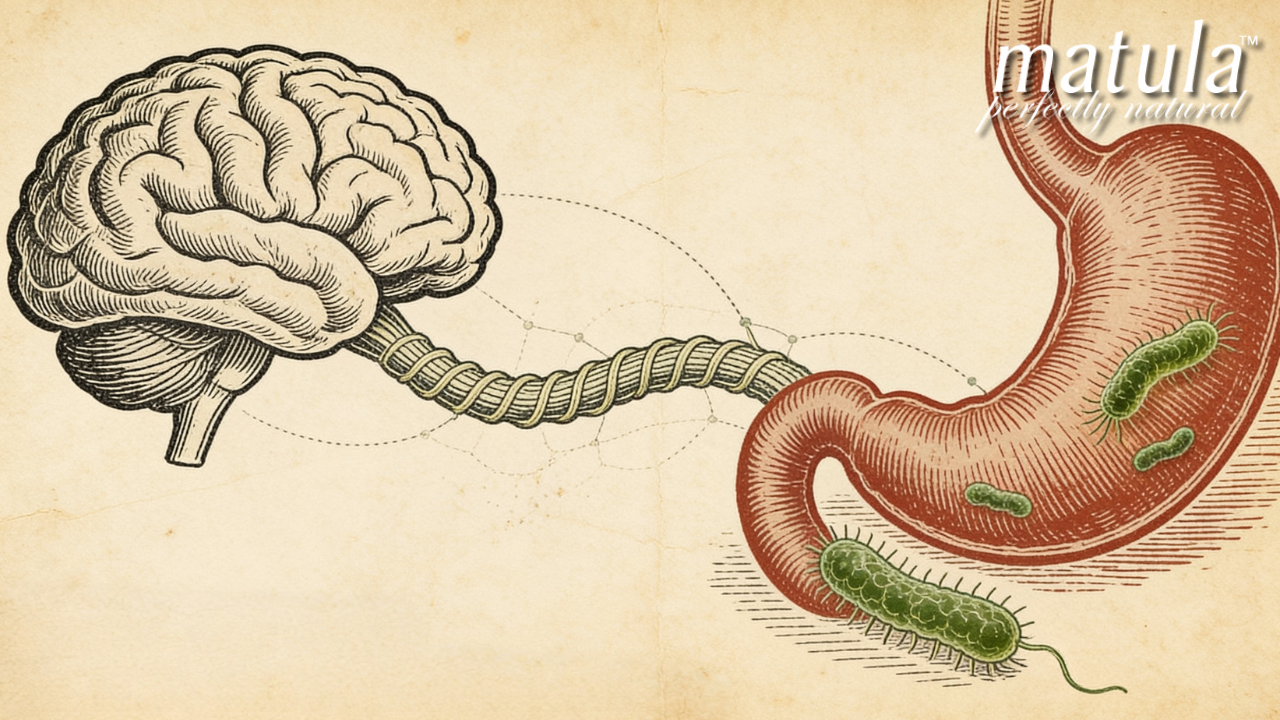
The brain-gut axis is well established in clinical literature, but its relevance to Helicobacter pylori infection is still coming into focus. Beyond its structural pathways, neural, endocrine, and immune, this axis is the interface between microbial activity and the rest of the body. For anyone who has lived with H. pylori symptoms for months or years, that matters: emerging research suggests the bacterium may influence not only digestion, but mood, behaviour and systemic inflammation too.
Why H. Pylori’s Reach Goes Beyond the Stomach Lining
H. pylori has long been recognised as a leading cause of gastritis, peptic ulcers, MALT lymphoma and gastric cancer, but its impact doesn’t stop at direct mucosal injury. A growing body of evidence, summarised in a review in the World Journal of Gastroenterology, suggests H. pylori disrupts the brain-gut axis by engaging neuro-endocrine-immune pathways that shape how the body responds to the infection and how symptoms develop. This is opening new ground for diagnosing and treating functional gastrointestinal disorders that are tangled up with the infection rather than caused by it alone.
How the Brain-Gut Axis Actually Works
The Nervous, Endocrine and Immune Pathways
The brain-gut axis is made up of the central, peripheral, enteric, and autonomic nervous systems, working alongside the endocrine and immune networks. Together, these systems mediate the ongoing conversation between gut microbes and the rest of the body. If you’ve ever wondered how something happening in your stomach could affect your mood or energy, this network of pathways is the mechanism, the same one covered in our guide to how your digestive system works.
A Two-Way Conversation Between Gut and Brain
H. pylori can alter gut permeability, motility, and visceral sensitivity, and it does this on two fronts. Locally, toxins such as CagA and VacA damage the stomach lining directly. Systemically, neural inflammation and altered neuropeptide signalling, involving substance P (SP), calcitonin gene-related peptide (CGRP) and vasoactive intestinal peptide (VIP), carry the effects further afield. Because this relationship runs in both directions, it can amplify symptoms in a subset of people carrying the infection, which may help explain why two people with the same H. pylori result can have very different experiences.
Acute Infection: The Body’s First Neuro-Immune Response
In the early stages, acute H. pylori infection triggers mast cell activation, cytokine release, and neurogenic inflammation in the stomach. Animal studies have shown that infection can alter anxiety-like behaviour and stimulate vagal sensory pathways, which lends support to the idea that infection-induced neuroimmune signalling, largely mast-cell mediated, may contribute to post-infectious functional dyspepsia or irritable bowel syndrome (IBS) in some people. This sits alongside the wider picture we cover in our overview of gastrointestinal tract disorder symptoms, and it’s one reason gut flora support, including probiotics alongside H. pylori management, is worth understanding early on.

Chronic Infection: Hormonal and Autonomic Disruption
Hormones, Appetite and Mood
The longer H. pylori is left untreated, the more pronounced these neuroendocrine changes tend to become. Research has documented shifts in neurotransmitters and neuropeptides. Including ghrelin, leptin, SP, and VIP, which influence appetite, weight, stress vulnerability, and mood. It’s a reminder that nutrient status matters here too: we’ve written before about why vitamin B12 matters for mood and brain function, and chronic H. pylori infection is a well-known driver of B12 deficiency.
Autonomic Balance and What Happens After Eradication
Autonomic nervous system imbalances, including changes in vagal and sympathetic tone, have also been observed in people with chronic infection. The encouraging part is that many of these disruptions partially resolve once the infection is addressed, and that improvement tends to track alongside symptomatic relief. This ties into the broader systemic inflammation picture we’ve explored in relation to H. pylori and rheumatoid arthritis, where gut-driven inflammation shows up well outside the digestive system.
Visceral Sensitivity and Digestive Motility
H. pylori infection is increasingly linked to visceral hypersensitivity. Both patients and animal models show lowered discomfort thresholds to gastric distension, tied to elevated SP and CGRP in the mucosal and neural tissue. Motility findings are less consistent. Some studies report impaired gastric accommodation or slowed emptying; others find little change, which points to a need for more standardised research protocols and larger patient groups before firm conclusions can be drawn. If you already deal with reflux alongside your H. pylori symptoms, our guide to acid reflux covers how these systems overlap.
What This Means If You’re Living With H. Pylori
If you’re H. pylori-positive and dealing with functional dyspepsia, symptoms outside your gut, or changes in mood, it’s worth knowing that the infection itself may be driving some of that brain-gut dysregulation, not just the mucosal damage it causes. Eradication therapy has shown small but meaningful symptom relief in clinical studies, particularly in Asian cohorts, though researchers are still working out how long neuro-immune recovery takes after treatment and whether additional support, probiotics, mast-cell stabilisers or neuromodulators, improves outcomes further. As with any health concern, results can vary from person to person, so it’s worth discussing your symptoms and options with a healthcare professional rather than guessing at the cause. Our free e-book on eradicating H. pylori is a good place to start if you want the fuller picture.
A Natural, Gut-First Way to Support the Brain-Gut Axis
Because H. pylori’s effects are so wide-reaching, managing it well is about restoring balance, not just attacking the bacteria at any cost. Matula Tea is formulated as a natural way to support the body through H. pylori management, without the harsher side effects some people experience on conventional antibiotic regimens. It’s designed as a straightforward 30-day course, which makes it easier to stay consistent while your gut, and by extension your brain-gut axis, has the chance to recover. Take a look at how Matula Tea can help you if you’d like to understand the approach in more depth.
The Takeaway
H. pylori’s role in digestive disease goes well beyond the traditional picture of ulcers and inflammation. Its ability to disrupt the brain-gut axis touches appetite, motility, visceral sensitivity, autonomic balance, and mood, which is exactly why a holistic approach, one that treats the infection while supporting the gut as a whole, tends to serve people better than treating symptoms in isolation. As always, individual results vary, and it’s worth looping in your healthcare provider as you decide on the right path forward.
Ready to give your gut, and the rest of your system, the support it needs? Shop Matula Tea and start your 30-day course today.